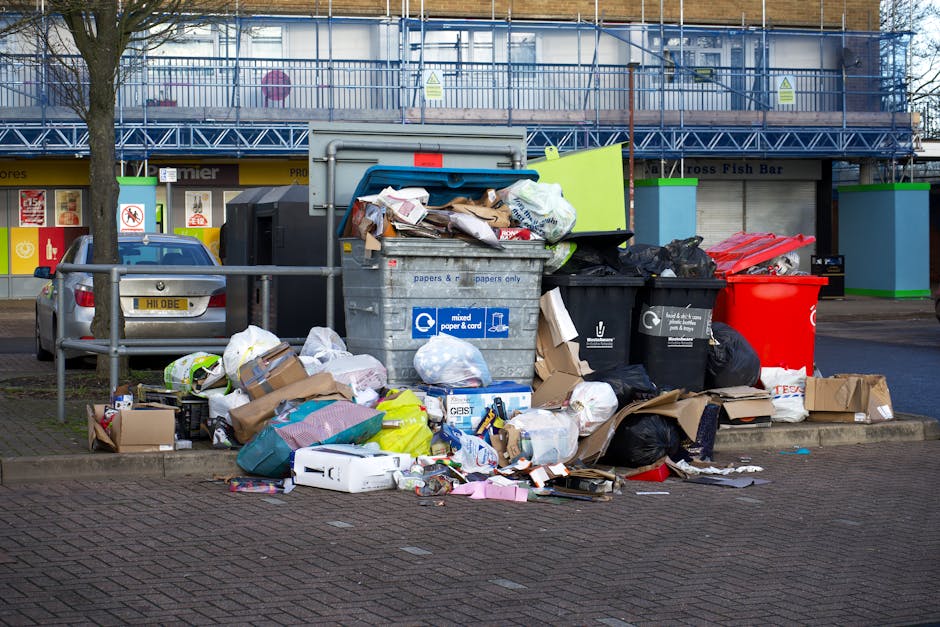
Balham street clearance and rubbish removal for landlords
If you manage rental property in Balham, you already know how quickly a small clearance job can turn into a proper headache. A tenant moves out, the flat is left with an old sofa, a broken wardrobe, a pile of mixed rubbish, and maybe a few forgotten odds and ends in the hallway. Then there is the clock ticking on viewings, inventory checks, cleaning, and repairs. Balham street clearance and rubbish removal for landlords is really about getting that space back into a usable condition quickly, safely, and without drama.
Done well, it protects your turnaround time, reduces complaints, and helps you present the property properly for the next tenant. Done badly, it can delay the whole reletting process, create avoidable costs, and leave you dealing with things you did not want to see in the first place. In this guide, we will break down how the process works, what landlords should watch out for, and how to make sensible decisions without overcomplicating it.
One quick note before we start: this is not just about "taking some rubbish away". For landlords, it often involves access planning, tenant changeovers, furniture disposal, waste segregation, and a bit of judgement. That is the bit people underestimate.
Table of Contents
- Why Balham street clearance and rubbish removal for landlords matters
- How Balham street clearance and rubbish removal for landlords works
- Key benefits and practical advantages
- Who this is for and when it makes sense
- Step-by-step guidance
- Expert tips for better results
- Common mistakes to avoid
- Tools, resources and recommendations
- Law, compliance, standards, or best practice
- Options, methods, or comparison table
- Case study or real-world example
- Practical checklist
- Conclusion
- Frequently asked questions
Why Balham street clearance and rubbish removal for landlords Matters
Let's face it: vacant property is expensive property. Every extra day between tenancies can mean lost rent, slower marketing, and more pressure on your maintenance schedule. In Balham, where flats and converted houses often turn over quickly, landlords need a clearance process that is tidy, reliable, and fast enough to keep the property moving.
Street clearance matters too. Some landlords only think about what is inside the property, but rubbish often spills into shared spaces: front gardens, basements, side returns, bins, alleyways, or the pavement outside if items are being moved out in stages. If waste is left sitting around, neighbours notice. So do letting agents. And if the building has multiple occupiers, shared access can become messy very quickly.
There is also a presentation issue. A half-cleared rental never looks good in person, even if the photos try their best. A clean, empty, neutral space feels calmer and more rentable. You can almost hear the difference when you walk in. Less echo of clutter. More room to breathe.
Expert summary: For landlords, the real value of clearance is not only removal. It is speed, control, and a property that is ready for the next stage without avoidable friction.
In many cases, the right approach is to combine rubbish removal with furniture handling and, where needed, a more complete flat clearance. That gives you a more practical outcome than booking a generic "man and van" style uplift and hoping for the best.
How Balham street clearance and rubbish removal for landlords Works
Most landlord clearances follow a fairly simple pattern, though the details matter. First, you identify what needs removing. Then you assess access, volume, and any awkward items. After that, you arrange collection, get the area cleared, and make sure the space is left ready for cleaning or repairs. Straightforward, yes. But the devil is always in the details.
A typical job in Balham might involve:
- bagged household rubbish left after tenancy end
- bulky items such as wardrobes, mattresses, and beds
- old furniture that no longer fits the new letting standard
- loose junk from cupboards, lofts, sheds, or communal storage
- builders' debris after a refresh or minor refurbishment
- garden or front-of-property waste after a tidy-up
If the clearance is mostly household clutter, a service aimed at home clearance or house clearance may be the best fit. If the property is a small conversion or studio, the more focused flat clearance approach is often more efficient.
When the job includes sofas or awkward lounge furniture, sofa removal is worth separating out in your head, because bulky fabric items can be more cumbersome than they look. One worn-out sofa can be a one-minute decision and a twenty-minute wrestle up a narrow staircase. Classic London behaviour, really.
Good operators will usually ask about access before arrival: parking, stairs, lifts, whether there is a concierge, whether the property is on a busy street, and whether anything needs to be removed from the rear. That information saves time and reduces surprises. It also helps avoid the awkward moment when a clearance team arrives and realises the only loading option is across a crowded pavement at 8:30 on a weekday morning.
Key Benefits and Practical Advantages
For landlords, the benefits are practical rather than flashy. What you want is a property that is ready, presentable, and not causing problems. Here is where proper clearance helps most:
- Faster turnaround between tenancies - Less downtime means you can get to cleaning, inspection, and marketing sooner.
- Better presentation - Empty, clean spaces photograph better and feel easier for applicants to imagine themselves in.
- Reduced stress - You are not chasing multiple people to move different items at different times.
- Safer access - Rubbish in hallways, stairwells, or front paths is a trip hazard and can create complaints quickly.
- Improved compliance - Using a proper waste operator helps you avoid the kind of disposal issues landlords really do not want.
- More efficient refurbishment - Trades can start without constantly stepping around leftover furniture or sacks of debris.
There is also a useful commercial advantage. If a property needs light work before reletting, clearing waste properly makes every other job easier. Cleaners clean better. Decorators work faster. Photographs come out better. It all stacks up.
Balham landlords who manage HMOs, student lets, or furnished flats will often see the biggest value because those properties generate more turnover and more furniture movement. That means more chances for clutter to build up. If you have ever opened a cupboard after a hurried move-out and found random cables, broken hangers, and three mystery umbrellas, you will know the feeling.
Who This Is For and When It Makes Sense
This kind of clearance is especially useful if you are a landlord dealing with one of these situations:
- tenant move-out with items left behind
- end-of-tenancy clear-up before decorating
- property refurbishment with mixed waste
- house share turnover where communal areas have accumulated clutter
- garage, loft, shed, or basement clear-out at a rental property
- furnished property needing old items replaced
- insurance-related or unfortunate "surprise" clearances after damage or neglect
It also makes sense for letting agents and property managers who need a dependable clearance partner rather than a one-off favour from a general handyman. Sometimes a quick ad hoc solution works. Sometimes it does not. To be fair, the second type usually becomes obvious by lunchtime.
Landlords with commercial-style rental units may also need related support. If the job includes office furniture, archived rubbish, or equipment removal from a small managed workspace, a service such as office clearance or business waste can be more suitable than a domestic-only clearance.
And if the issue is not inside the property but in the outdoor or side access areas, other related services may be more relevant. A messy rear garden might need garden clearance, while old tools and forgotten stored items in a garage may point you towards garage clearance. The right fit matters. It saves time and keeps the job cleaner.
Step-by-Step Guidance
If you want the process to run smoothly, it helps to treat it like a mini project rather than an emergency scramble. Here is a practical approach that works well.
- Survey the property properly. Walk through every room, hallway, cupboard, loft access point, garden, shed, and external storage area. Take photos. You will miss less and estimate better.
- Separate what stays from what goes. This sounds obvious, but it is where mistakes happen. Label anything to be kept, reused, sold, or handed back to the tenant if agreed.
- Identify bulky or awkward items. Sofas, beds, wardrobes, white goods, mattresses, and broken shelving need a different approach from bagged rubbish.
- Check access and parking. Narrow stairs, controlled parking, permits, and shared entrances all affect timing.
- Decide whether the job needs clearance only or clearance plus disposal. Many landlords want one service that handles the removal and the waste destination. That is usually simpler.
- Schedule around inspections and cleaners. The ideal sequence is clearance first, then deep clean, then repairs or decoration, then final photos.
- Do a final sweep. Small items get left behind in drawers, under beds, behind radiators, and on top of kitchen cabinets. It happens. Every time, nearly.
If you are dealing with a mixed job involving general rubbish, perhaps after light renovation, a broader rubbish clearance or even builders waste solution may be the more practical choice. It depends on what is actually on site, not just what sounds simplest in the moment.
Expert Tips for Better Results
In our experience, the best landlord clearances are the ones that are boringly well prepared. No drama, no confusion, no last-minute guessing. A few small habits make a big difference.
- Photograph everything before work starts. Useful for records, tenant disputes, and internal sign-off.
- Bundle like with like. Keep soft furnishings separate from mixed rubbish where possible. It helps planning and handling.
- Plan for the awkward item first. If the wardrobe will not get through the door, solve that before everything else gets stacked around it.
- Be specific about what should not be touched. Label personal effects, meter readings, paperwork, and any landlord-owned items clearly.
- Keep a small reserve window in your timetable. A same-day clearance can be brilliant. Still, if parking is tight or access is shared, a little slack is wise.
- Match the service to the property type. A small Balham flat with one sofa and a few bags is not the same as a three-storey house clearance.
One useful trick is to think in zones. Kitchen, bedrooms, communal areas, loft, outside. That makes it easier to brief whoever is doing the work and to check nothing has been missed. It also stops the job turning into a vague "sort the place out" request, which is always how confusion begins.
Common Mistakes to Avoid
There are a few recurring mistakes landlords make with clearances, and they are avoidable with a bit of care.
- Leaving the job too late. If a tenant has already vacated, waiting another week only pushes back your next income.
- Underestimating volume. A few visible items can hide a much larger amount once drawers, cupboards, and storage spaces are opened.
- Mixing legal and practical assumptions. Just because something looks "just rubbish" does not mean it should be handled casually.
- Forgetting communal impact. In Balham, access often matters almost as much as the clearance itself. Shared stairs and narrow front paths can cause friction if not managed properly.
- Using the wrong type of service. A simple collection may not be enough for a full property clear.
- Not confirming disposal arrangements. Landlords should be satisfied that waste is handled appropriately, not just moved out of sight.
Another common one: assuming the cheapest option is the best. Sometimes it is. Sometimes it is the option that turns a tidy morning into a day of callbacks, extra loading, and that faint, annoying feeling that you could have done better. You probably know the sort.
Tools, Resources and Recommendations
You do not need a huge toolkit, but a few practical items and habits help a lot:
- Camera phone - for before-and-after records
- Basic inventory sheet - especially useful if the property is furnished
- Labels or tape - to mark keep/remove areas
- Gloves and sturdy footwear - if you are doing any pre-clearance sorting yourself
- Bin bags and boxes - for separating small waste, papers, and reusable items
- Access notes - door codes, parking details, floor level, lift availability, contact numbers
For landlords who manage multiple properties, it can also help to keep a simple clearance template for each job. Include the address, keys held by whom, access times, item list, photographs, and any special instructions. Nothing fancy. Just enough to save you from repeating yourself at 6:45 on a wet Tuesday morning.
If the property is not a flat but a full house, a broader house clearance option may be the cleanest route. And for landlords clearing mixed domestic contents from a family rental after a long tenancy, furniture disposal can be a smart companion service when the main task is removing old furnishings rather than general rubbish.
Law, Compliance, Standards, or Best Practice
Landlords do not need to become waste specialists, but they do need to be careful. In the UK, waste should be handled by someone appropriate for the job, and landlords should keep good records where practical. The safe rule of thumb is simple: do not hand waste to someone unless you are comfortable that it will be dealt with properly.
That matters because landlord clearances often involve a mix of domestic waste, furniture, and occasionally items that need special handling. If hazardous materials, electrical goods, or suspect substances are present, they should be treated cautiously and not bundled in with ordinary rubbish. If you are not sure, pause and get proper guidance before the job proceeds. Better safe than sorry, honestly.
From a best-practice point of view, landlords should also:
- keep a brief written record of what was removed
- note any tenant-owned items left behind, where relevant
- avoid obstructing pavements or shared access unnecessarily
- check that nothing important has been discarded by mistake
- ensure communal areas are left clean and safe after the clearance
For flat blocks and mixed-use buildings, there is often a practical expectation of courtesy as much as formal compliance. If neighbours need to step around a pile of rubbish for two days, the whole thing becomes harder than it needs to be. In Balham, where many streets are busy and parking is tight, a tidy, efficient clearance is not just nice to have. It is part of being a responsible landlord.
Options, Methods, or Comparison Table
Here is a simple comparison of common approaches landlords consider when clearing a Balham rental property.
| Method | Best for | Strengths | Limitations |
|---|---|---|---|
| DIY clearance | Very small volumes and light items | Low cash cost, full control | Time-consuming, physical work, disposal still needs care |
| Single-item collection | One or two bulky pieces | Quick and simple for sofas, mattresses, or one-off items | Not ideal for mixed rubbish or full clear-outs |
| Full rubbish clearance | Mixed bags, clutter, and general waste | Efficient, suited to end-of-tenancy jobs | May not include all bulky furniture unless specified |
| Flat or house clearance | Whole-property turnover | Best for complete resets and furnished rentals | More planning needed, especially for access and timing |
| Specialist mixed waste service | Clearances involving renovation debris or business contents | Better matched to the waste type | Requires clearer briefing from the landlord or agent |
For many landlords, the sweet spot is a combination: remove the large items, clear the leftover waste, then move straight into cleaning and checks. That layered approach is often more efficient than trying to make one service do everything badly.
Case Study or Real-World Example
A Balham landlord with a two-bedroom flat came to the end of a tenancy that had been, to put it politely, a bit lively. The tenants had already moved, but the property still held a tired sofa, a broken bedside unit, several bags of mixed waste, and a few items left in the hallway cupboard. The front stairwell was shared, so the clearance had to be done without causing a mess for neighbours.
The practical plan was simple: identify everything to remove, clear the bulky furniture first, then take the mixed rubbish, then do a quick final check of cupboards and behind doors. Once the space was empty, the cleaner could work properly, the decorator could patch and paint without obstruction, and the letting photos looked significantly better the next day. Nothing fancy. Just orderly.
What made the job go smoothly was not luck. It was prep. The landlord had photos, access instructions, and a clear idea of what stayed and what went. That saved time on site and avoided the usual back-and-forth. It is a small thing, but small things matter a lot in property management.
Practical Checklist
Use this before booking or carrying out a landlord clearance in Balham:
- Confirm what needs to be removed and what must remain
- Take clear photos of each room and any problem areas
- Check stair access, parking, and loading restrictions
- Identify bulky items separately from bagged rubbish
- Note any items that may need special handling
- Decide whether you need rubbish removal, furniture disposal, or a full clearance
- Make sure communal areas will stay safe during the job
- Schedule cleaning and repairs after the clearance, not before
- Keep a record of what was removed
- Do one last sweep of cupboards, lofts, and under furniture
Checklist done. It sounds basic, but it saves trouble.
Conclusion
Balham street clearance and rubbish removal for landlords is really about keeping a rental property moving. Fast clearance helps you protect income, present the property properly, and reduce the friction that often appears between tenancies. It also helps you stay organised, which is half the battle in property management.
The best results usually come from a simple approach: assess carefully, choose the right type of clearance, keep access details clear, and sort the work in the right order. Do that well, and the whole process becomes much less stressful. Not effortless, let's be honest, but manageable. And that is usually what landlords want most.
If you are dealing with a move-out, a refurbishment, or a property that just needs a proper reset, the sensible next step is to compare the type of waste on site with the service you actually need. That one decision can save a lot of time later.
Get a free quote today and see how much you can save.
And if the job is handled neatly, you will feel it the moment you walk back into the property. Quiet, clear, ready. Much better.
Frequently Asked Questions
What does Balham street clearance and rubbish removal for landlords usually include?
It typically includes the removal of left-behind tenant items, mixed rubbish, unwanted furniture, and other waste from a rental property or its immediate outside areas. In practice, that can mean anything from bagged rubbish to sofas, cupboards, or a few forgotten bits in a hallway or garden.
Is this the same as a standard rubbish collection?
Not always. A standard collection may work for lighter, clearly separated waste, but landlord clearances often involve mixed items, awkward access, and more than one type of waste. In those cases, a fuller clearance service is usually the better fit.
When should a landlord book a clearance service?
Usually as soon as the tenancy has ended and you have confirmed what is being left behind. The earlier you book, the easier it is to coordinate cleaners, repairs, and viewings. Waiting often just compresses the timetable for no good reason.
Can a landlord remove items left by tenants?
Yes, but it should be done carefully and in line with your tenancy documentation and practical responsibilities. If you are unsure about ownership or whether an item should be kept for a period, treat the situation cautiously and document what you remove.
What if the property is a flat with difficult access?
That is very common in Balham. Narrow staircases, shared entrances, and parking limits can affect the job quite a bit. Good access information from the start helps avoid delays and makes the clearance smoother.
Do sofas and mattresses need special handling?
Often, yes. They are bulky, awkward, and not always easy to move through tight spaces. Services like sofa removal are useful when one or two large items need taking away separately from general rubbish.
Is it better to do a full house clearance or just remove rubbish?
It depends on what is actually there. If the property is mostly empty but has a few bags and loose waste, rubbish removal may be enough. If the place still contains furniture, cupboards of clutter, and multiple rooms to clear, a full house or flat clearance is usually more efficient.
How do landlords keep the clearance process organised?
Photograph everything, label what should stay, note access details, and schedule the clearance before cleaning and repairs. A simple written checklist is often enough to keep the whole process under control.
What should landlords do with items in gardens, garages, or storage areas?
Those areas are easy to forget, but they often contain the most clutter. If the issue is outside, a garden clearance or garage clearance may be more suitable than a room-by-room approach. It keeps the job focused and prevents missed items.
Can clearance be combined with disposal of furniture and other bulky items?
Yes, and for landlords it often should be. Combining waste removal with furniture disposal is usually more practical than handling each part separately, especially when turnaround time matters.
What is the biggest mistake landlords make with clearances?
Leaving it too late and not checking the whole property properly. The hidden items are what slow you down: loft space, cupboards, under-bed storage, and side returns. Those little corners always have a surprise waiting.
How can landlords choose the right type of service?
Look at the waste type first, not just the property type. Mixed rubbish points towards rubbish clearance. Bulky items point towards furniture disposal or sofa removal. A whole empty property with contents still inside may need flat clearance or house clearance. Matching the service to the real job is the simplest way to get good results.
Is there a best time of day to arrange a clearance in Balham?
It depends on access, parking, and neighbours, but quieter windows are often easier than peak traffic periods. Early starts can work well if loading access is straightforward. For some streets, a calmer mid-morning slot is better. The local setting matters more than a fixed rule.